Introduction
Heart health plays a vital role in overall well-being, and early diagnosis is essential for preventing serious cardiovascular conditions. One of the most commonly recommended tests by cardiologists is the 2D Echo, also known as a 2D Echocardiogram.
A 2D Echo is a safe, painless, and non-invasive ultrasound test that provides real time images of the heart. It helps doctors assess the heart’s structure, pumping function, and valve performance, making it an essential tool for diagnosing and monitoring a wide range of heart conditions.
At Healing Touch Cardio Care & Diagnostics, advanced 2D Echo imaging is used to detect heart problems early and guide effective treatment plans for better cardiac health.
What Is a 2D Echo?
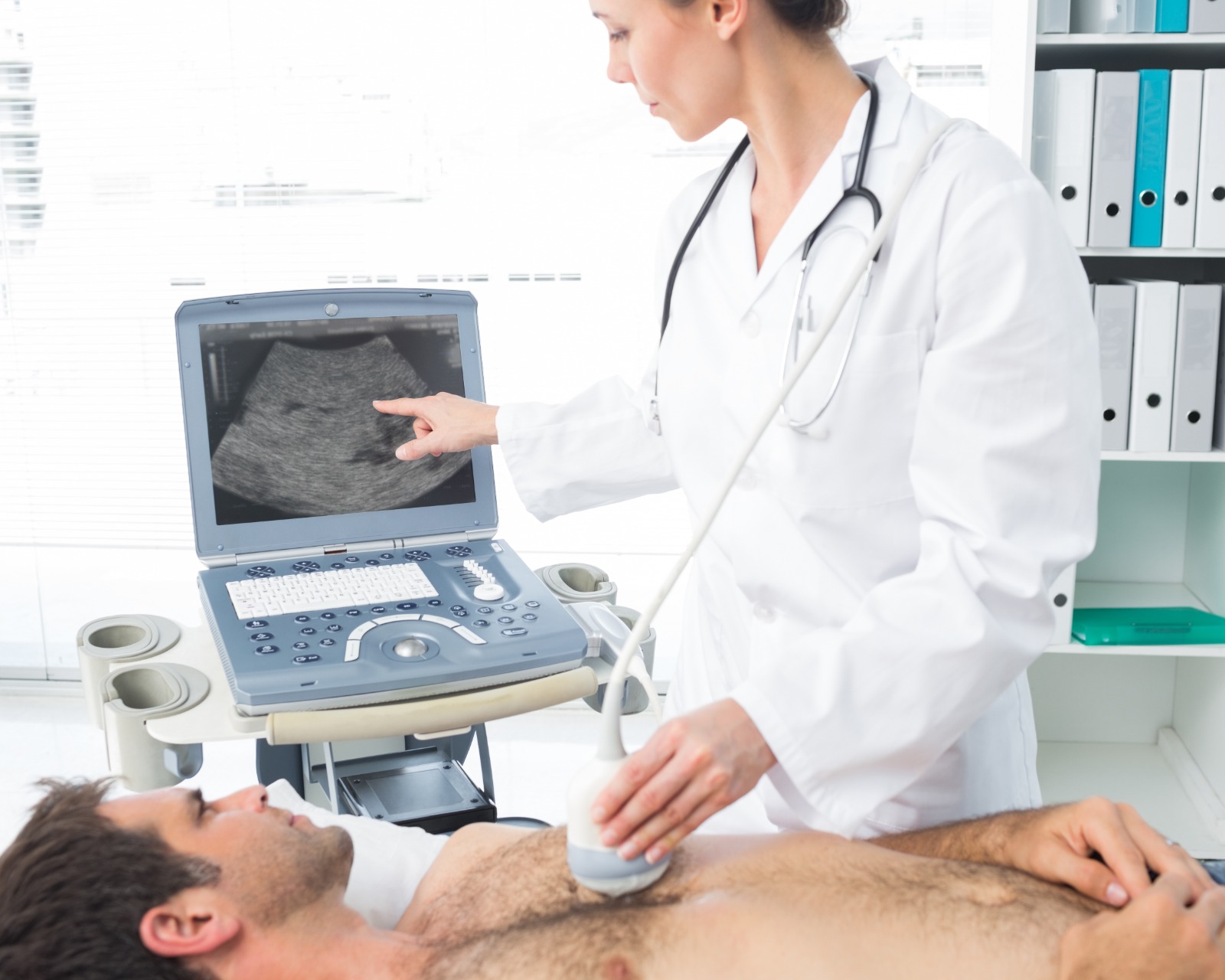
A 2D Echo (Two-Dimensional Echocardiogram) is an ultrasound examination of the heart that uses high-frequency sound waves to create detailed moving images of the heart. Unlike X-rays or CT scans, a 2D Echo does not use radiation. Instead, it uses a handheld device called a transducer, which sends sound waves through the chest.
These waves bounce off the heart structures and produce live images on a monitor. The test allows cardiologists to examine:
- Heart chambers
- Heart valves
- Heart muscles
- Blood flow through the heart
- Pumping efficiency (Ejection Fraction)
- Overall heart function tests.
Because it is non-invasive and painless, a 2D Echo is considered one of the safest and most reliable cardiac diagnostic
Why Is a 2D Echo Recommended?
A doctor may recommend a 2D Echo to evaluate symptoms, monitor existing heart conditions, or assess heart function before certain medical procedures. The test helps detect heart abnormalities early, allowing timely treatment and reducing the risk of complications. A 2D Echo is commonly recommended if you experience:
- Chest pain or discomfort
- Shortness of breath
- Palpitations or irregular heartbeat
- Dizziness or fainting spells
- Swelling in the legs or ankles
- Persistent fatigue
- Heart murmurs
- High blood pressure
It is also advised for individuals with diabetes, high cholesterol, obesity, or a family history of heart disease.
What Conditions Can a 2D Echo Detect?
A 2D Echo provides detailed information about the heart’s structure and function, helping diagnose several cardiovascular conditions. These include:
Heart Valve Disorders
The test identifies narrowed, leaking, or damaged heart valves that may affect blood circulation.
Heart Failure
A 2D Echo measures how efficiently the heart pumps blood and helps diagnose heart failure at an early stage.
Cardiomyopathy
It detects thickened, enlarged, or weakened heart muscles that reduce the heart’s ability to pump effectively.
Congenital Heart Defects
The test can identify structural abnormalities in the heart that are present from birth.
Pericardial Effusion
A 2D Echo detects excess fluid around the heart, which may interfere with normal heart function.
Enlarged Heart Chambers
It helps determine whether the chambers of the heart have become enlarged due to hypertension or other cardiac conditions.
Blood Clots and Cardiac Masses
The test can identify blood clots or abnormal growths inside the heart that may require immediate treatment.
Who Should Undergo a 2D Echo?
Your cardiologist may recommend a 2D Echo if you:
- Have symptoms of heart disease
- Have high blood pressure
- Are living with diabetes
- Have high cholesterol
- Have a family history of heart disease
- Are recovering from a heart attack
- Need a heart evaluation before surgery
- Are undergoing routine cardiac monitoring
The test is also useful for athletes and individuals undergoing preventive heart health
assessments.
How Is a 2D Echo Performed?
A 2D Echo is performed in a hospital or cardiac diagnostic center by a trained technician or cardiologist. The procedure typically involves:
- You will lie comfortably on an examination table.
- A special gel is applied to your chest.
- A handheld ultrasound probe (transducer) is gently moved across the chest.
- The transducer captures live images of the heart from different angles.
- The cardiologist reviews the images and prepares a detailed report.
The entire procedure usually takes 20 to 40 minutes.
Do You Need Any Preparation?
One of the advantages of a 2D Echo is that it requires very little preparation. Before the test:
- Eat and drink normally unless instructed otherwise.
- Continue your regular medications unless your doctor advises changes.
- Wear comfortable clothing for convenience.
No fasting is generally required for a standard transthoracic 2D Echo.
Is a 2D Echo Safe?
Yes. A 2D Echo is extremely safe because it uses ultrasound waves instead of radiation. Benefits of the test include:
- Completely painless
- Non-invasive
- No radiation exposure
- Safe for children and older adults
- Can be repeated whenever necessary
- Provides real-time assessment of heart function
Because of its safety and accuracy, it is one of the most frequently used cardiac investigations worldwide.
Benefits of a 2D Echo
A 2D Echo offers several important benefits:
- Detects heart disease at an early stage
- Evaluates heart muscle function
- Assesses heart valve performance
- Helps diagnose heart failure
- Monitors treatment progress
- Assists doctors in planning appropriate treatment
- Reduces the risk of complications through early detection
Regular heart evaluations can significantly improve outcomes, especially for individuals with cardiovascular risk factors.
Importance of Early Cardiac Evaluation
Many heart diseases develop gradually without obvious symptoms. Waiting until symptoms become severe may delay treatment.
A 2D Echo helps identify abnormalities before they progress into serious conditions such as heart failure, valve disease, or permanent heart muscle damage.
If you have risk factors such as hypertension, diabetes, obesity, smoking, or a family history of heart disease, routine cardiac screening can play an important role in protecting your long-term health.
When Should You Consult a Cardiologist?
You should seek medical advice if you experience:
- Chest pain
- Breathlessness
- Palpitations
- Swelling in the legs
- Frequent dizziness
- Unexplained fatigue
- High blood pressure
- A family history of heart disease
Early evaluation allows doctors to diagnose problems sooner and begin appropriate treatment before complications arise.
Conclusion
A 2D Echo (2D Echocardiogram) is one of the most valuable tools for assessing heart health. It is a safe, painless, and highly accurate test that provides detailed information about the heart’s structure, valves, chambers, and pumping function.
Whether you are experiencing symptoms or simply want to monitor your heart health, a 2D Echo can help detect potential problems early and support timely medical care.
At Healing Touch Cardio Care & Diagnostics, our experienced cardiology team uses advanced diagnostic technology to provide accurate heart assessments and personalized treatment plans. Regular cardiac checkups and timely investigations are essential steps toward maintaining a healthy heart and preventing serious
cardiovascular disease.