Heart problems are one of the biggest health issues of the modern world. Unlike other organs, the heart has a pulsating function. This causes it to get tired and leads to a host of problems. Heart issues do not show any visible symptoms in their initial stages, and that is the very reason these issues should be tested regularly.
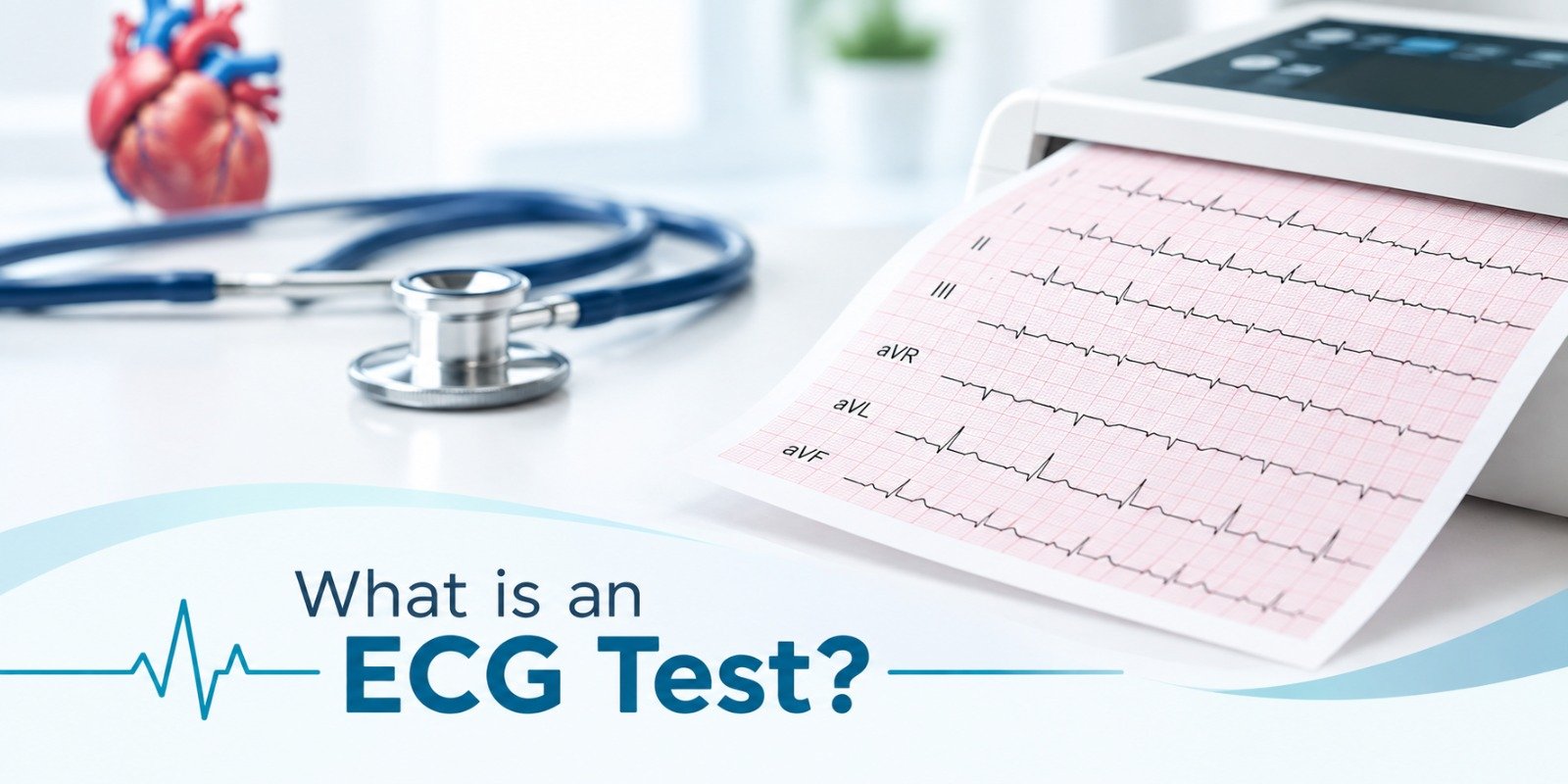
An ECG test is one of the easiest and quickest tests to assess the functioning of your heart. It takes less than fifteen minutes and is virtually painless.
What is an ECG Test?
An ECG (electrocardiogram) test is a test to check the functionality of the heart by checking the electrical impulses produced by the heart.
The heart has a natural production of electrical impulses. An ECG machine is designed to read and interpret these signals.
An ECG machine has wires that are attached to different parts of the body to intercept the impulses. These wires are then connected to the ECG machine.
An ECG is a very simple test, and the results give a lot of insight into the activity of the heart.
How Does an ECG Machine Work?
An ECG records the electricity your heart produces by way of miniaturized electrical impulses. An ECG machine records these signals by way of an electrical device that listens to and records these signals. An ECG machine does not produce or deliver electricity to your body.
ECG machines utilize several small electrodes that are moisture-dependent and stick to your body. These electrodes are wirelessly connected to the ECG machine. These machines measure the time and the strength of electrical signals produced by your heart and record the signals. The machine generates a signal representation of the electrical activity of the heart for your physician to review.
Types of ECG Tests
The following tests are types of ECG assessments your Cardiologist may recommend.
- Standard Resting ECG: A standard, routine ECG assessment is done when you have no symptoms of a cardiac concern. These assessments usually only take a few minutes, where you are required to lie still to record your heart’s activity.
- Stress or Exercise ECG: Your heart health is assessed based on how it performs with physical stress. You can achieve physical stress on a machine by walking on a treadmill or pedaling a stationary bicycle.
- Holter Monitor: This is an ECG device, similar in size to a pocket watch, which you will wear for 24 to 48 hours to record your heart rhythm and function.
- Event Monitor: Like a Holter monitor, this device is similar in function and design, but instead of continually recording your heart activity, you will manually trigger the device when you begin to feel heart rhythm activity (like fluttering or racing) or other symptoms.
ECG Test Procedure: What to Expect
The ECG test is a simple and quick procedure during which you will be asked to undress from the waist up and remove metal objects. Next, 12 electrodes will be placed on the arms, legs, and chest to record the electrical activity of your heart.
- Preparation: You will be required to remove articles of clothing and any metal objects.
- Attaching Electrodes: A technical specialist will affix 12 electrodes to your arms, legs, and the left side of your chest. If you have a lot of chest hair, the specialist will shave the area to ensure the electrodes stick.
- Recording: You will lie on a table and keep still and quiet so the ECG can be done. You may have to do this for up to 5 minutes. You may be asked to do this a few times.
- Completion: The sticky electrodes are removed, and you can get up and leave.
An ECG is simple and quick. There is no pain and no recovery time.
When Do You Need an ECG Test?
Your doctor may recommend an ECG if you have symptoms that could point to a heart problem, or as a precaution before certain procedures.
Symptoms that may need an ECG
- Chest pain, pressure or tightness
- Shortness of breath
- Palpitations (racing, fluttering or skipped heartbeats)
- Dizziness or lightheadedness
- Fainting or near-fainting
- Unusual tiredness or weakness
Situations where an ECG is advised even without symptoms
- Before major surgery, to check that your heart is fit for anaesthesia
- When your heart medication is started or changed
- Before starting a vigorous exercise programme, especially if you are over 40 or have risk factors
- If you have high blood pressure, diabetes, high cholesterol, a family history of heart disease, or you smoke
- As a follow-up if you already have a heart condition or a pacemaker
If chest pain comes with sweating, breathlessness, or pain spreading to your arm, jaw or back, call emergency services immediately. Do not wait for an ECG appointment.
How to Read and Understand ECG Results
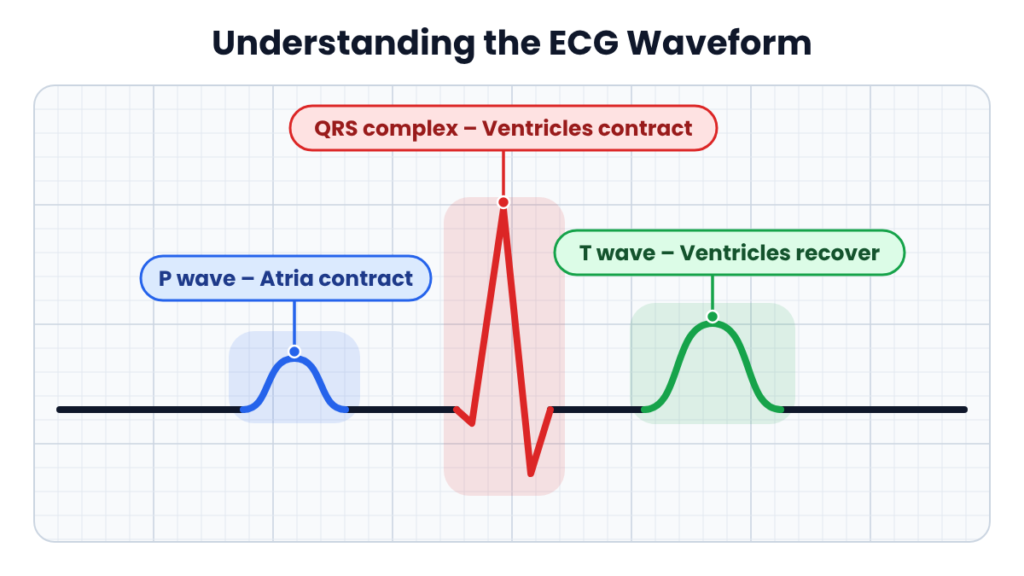
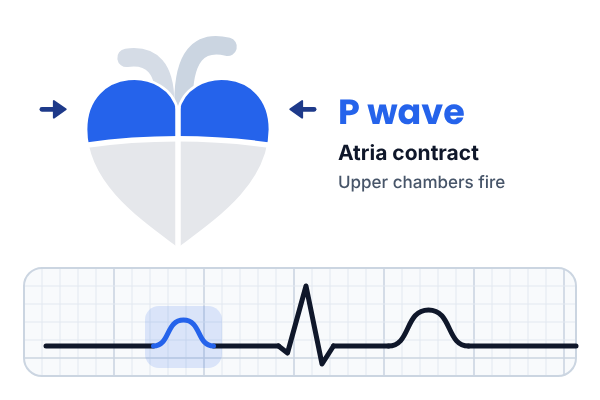
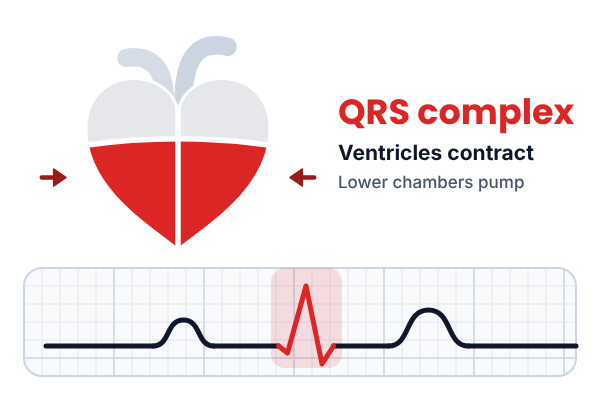
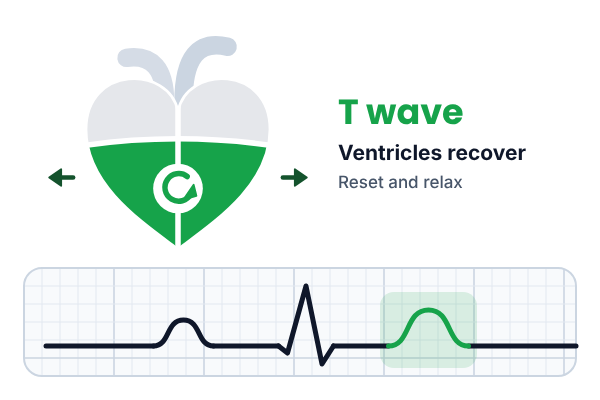
Abnormal levels of these activities may indicate problems relating to the heart and may also result from blocked arteries.
Benefits of Getting an ECG Test
- 100% Painless and Non-Invasive: There are no needles, incisions or radiation.
- Immediate Test Results: Results are available as soon as your ECG is done.
- Early Detection: Catches silent cardiac issues before they develop into serious emergencies.
- Affordable Care: The ECG test is affordable, making it accessible for all as a tool for the prevention of health.
Take Charge of Your Heart Health Today
We believe that monitoring your heart health should not be difficult, time-consuming, or stressful. That is why we ensure that our clients have easy access to timely, high-quality cardiac testing and diagnostics. If you need cardiac testing for any reason, including pre-operative clearance or assessment of chest pains, we will take every measure to ensure that your test results are provided to you as soon as they are generated.
Healing Touch – Cardiocare and Diagnostic Centre is a reliable ECG testing clinic in Andheri West. Our dedicated team will provide you with the best diagnostic cardiac care services. To schedule your ECG test, call us now!
Frequently Asked Questions
Not at all. ECG is a totally harmless, rapid, and painless test. It is a recording machine that only picks up an electrical signal that comes from your body, but doesn’t send anything into your body.
The cost of the ECG test in India is still quite reasonable, typically ₹200 to ₹600 for a basic resting ECG, with the precise amount depending on the clinic and geographical location.
No fasting is required for a standard resting ECG. Regular food, drinks, and medication can be taken unless advised otherwise by your cardiologist.
It only takes 2-3 minutes to record. The whole procedure to prepare the sensors and remove the sensors normally requires less than 15 minutes.