Introduction
Many people visit a doctor only when they feel sick. But the truth is, several health problems start quietly without showing clear symptoms. Routine health checkups help detect these problems early, before they become serious. A simple check todaycan prevent major health issues tomorrow.
Why Regular Checkups Are Important
Regular health checkups help you understand what is happening inside your body. Even if you feel perfectly fine, there could be hidden issues like high blood pressure,diabetes, or cholesterol. Finding these early makes treatment easier and more effective.
What Does Early Diagnosis Mean?
Early diagnosis means finding a disease at an early stage, often before you notice any symptoms. When a condition is detected early, it can usually be managed or treated more easily, reducing the risk of complications.
Benefits of Routine Health Checkups
Helps Prevent Diseases
Routine tests can identify warning signs before a disease develops. This allows you to make lifestyle changes and avoid serious illness.
Detects Problems Early
Health issues like heart disease or diabetes can be controlled better if found early. Early treatment often leads to faster recovery.
Saves Money in the Long Run
Treating a disease early is usually less expensive than treating it at a later stage when it becomes severe.
Keeps You Stress-Free
Knowing your health status gives peace of mind and reduces anxiety about unknown problems.
What Happens in a Routine Checkup?
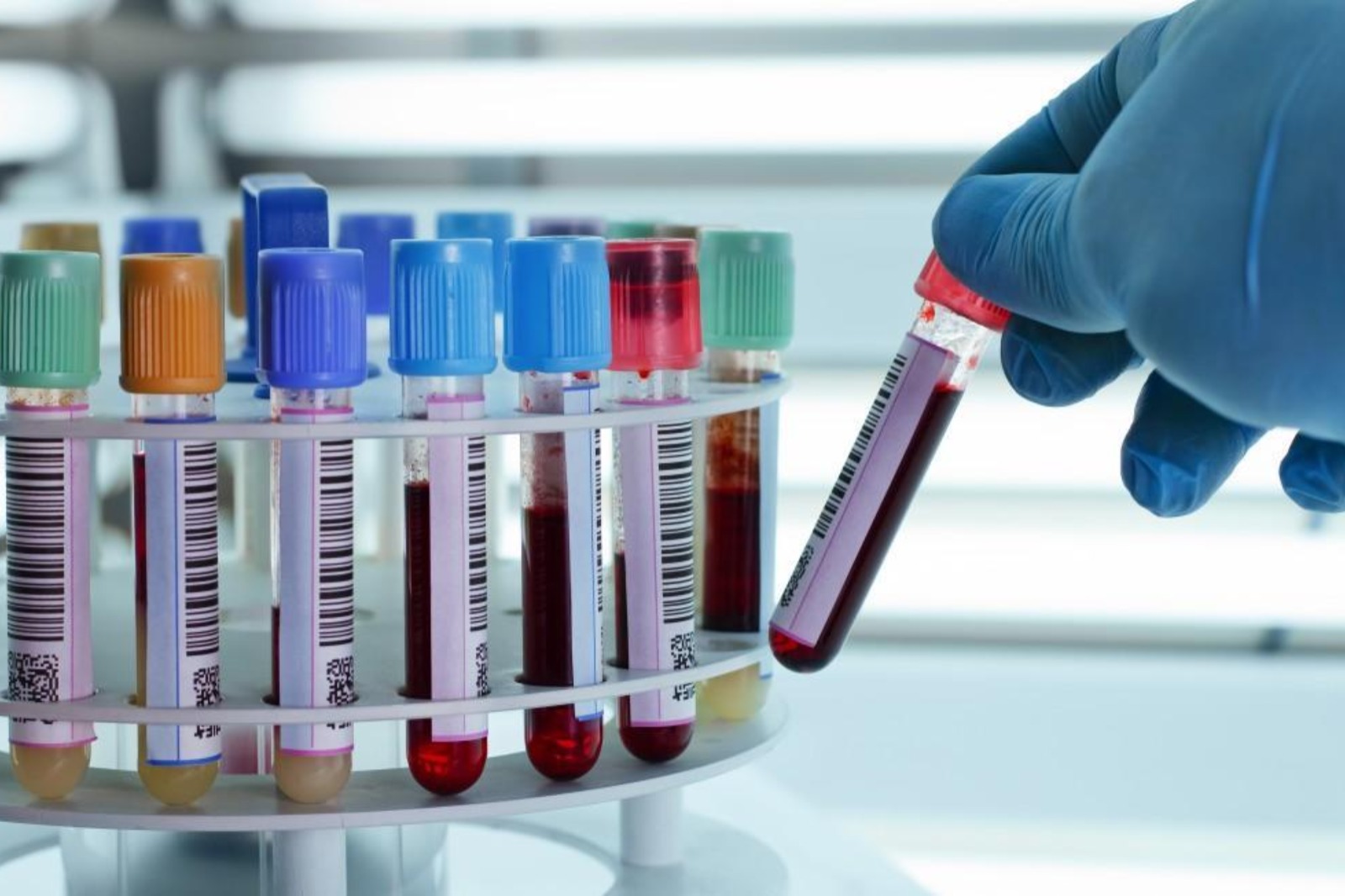
A routine checkup usually includes basic tests such as blood pressure, blood sugar, cholesterol levels, and a general physical examination. Depending on your age and health condition, doctors may suggest additional tests.
Who Should Get Regular Checkups?
Everyone should go for routine checkups, especially adults over 30, people with a family history of diseases, and those with unhealthy lifestyle habits like poor diet or lack of exercise.
How Often Should You Get Checked?
Most people should get a health checkup once a year. If you already have a health condition, your doctor may recommend more frequent visits.
When Should You See a Doctor Immediately?
Do not wait for your next checkup if you notice symptoms like chest pain, sudden weight loss, constant fatigue, or unusual changes in your body. These need immediate medical attention.
Conclusion
Routine health checkups are a simple way to stay healthy and avoid serious diseases. Early diagnosis can save lives by catching problems before they become dangerous.
Take Action Today
Make your health a priority. Book your routine checkup and consult a healthcare professional. You can also visit HEALING TOUCH for expert care and guidance to stay healthy and safe.
Frequently Asked Questions
A routine health checkup is a set of consultations and tests done even when you feel well, to detect conditions like diabetes, high BP, high cholesterol, thyroid problems and heart disease early, when they are easiest to treat.
Usually a doctor's consultation, BP, weight and BMI check, CBC, blood sugar/HbA1c, lipid profile, liver and kidney function, thyroid profile and urine test. People over 35 or with risk factors are often advised ECG, 2D Echo and sonography too.
Adults under 30 with no health issues: every 2–3 years. Adults over 30, or with diabetes, BP, obesity or family history of heart disease: once a year. People with existing conditions may need tests every 3–6 months as advised by their doctor.
Healing Touch Cardiocare & Diagnostics, Four Bungalows, Andheri West, offers routine and full body checkup packages with blood tests from an NABL-accredited lab, ECG, 2D Echo and sonography under one roof, with most reports on the same day. Call +91 81043 18016.