
Lab Reports from NABL Accredited Lab
Trusted Cardiology Services
Healing Touch is a leading cardiology care center based in Mumbai. We offer specialist cardiac consultations and heart diagnostic tests, including ECG, 2D Echo, TMT, and Holter monitoring, along with guidance on angiography, angioplasty, and pacemaker care under one roof.
Our cardiology care is led by Dr. Akbarul Haque, a consultant cardiologist with over 20 years of practice and more than 20,000 cardiac procedures. We provide guidance on heart health, diagnosis, and treatment planning.
Whether you need a heart check-up or evaluation for chest pain, breathlessness, or palpitations, get clear medical guidance and understand your next steps.
Visit our cardiology center in Andheri West, accessible from Jogeshwari, Vile Parle, Versova, Lokhandwala, Santacruz, and Juhu.

Cardiology is the medical specialty focused on the study, diagnosis, and treatment of disorders of the heart and blood vessels. It covers a wide range of concerns, from an occasional skipped beat or mild chest discomfort to long-term heart conditions that need steady, ongoing care.
A cardiologist finds out why your heart is acting up, then treats it or helps you manage it.
Think of the heart as a pump with its own wiring and plumbing. A cardiologist checks all three: the rhythm, the strength and the flow of blood. Often one simple test explains months of worry.
From recurring chest discomfort to concerns about long-term heart health, Dr. Akbarul Haque assesses symptoms, medical history, and diagnostic findings to guide appropriate care.
Conditions evaluated include:
Narrowing or blockage of the arteries supplying the heart.
High blood pressure and its potential impact on heart health.
Irregular heart rhythms, palpitations, or an unusually fast or slow heartbeat.
Conditions affecting how the heart valves function.
Conditions affecting the heart's ability to pump blood effectively.
Elevated cholesterol, diabetes, and family history of heart disease.
Heart health deserves experienced attention and clear guidance. At Healing Touch, you have access to specialist cardiac consultation and diagnostic services under one roof.
Every report is read and explained by our cardiologist and not left for you to decode.
ECG, 2D Echo, TMT and Holter monitoring happen at the same centre, so you do not run between labs.
We explain your results in plain words and tell you what to do next.
We are on JP Road, Four Bungalows, close to St. Louis Convent School and easy to reach from Andheri, Versova, and Lokhandwala.
Experience in radial or wrist-route angioplasty. The procedure is done through a small opening in the wrist artery.
An ECG records your heart's electrical signals through small sensors on your chest. The recording takes only a few minutes and does not hurt. It can show rhythm problems, strain on the heart, and signs of an earlier heart attack.
A 2D Echo uses sound waves to make a live picture of your heart. We watch the valves open and close and measure how well the heart pumps. The scan takes around 20 to 30 minutes and uses no radiation.
Some problems appear only when your heart works harder. In a TMT, you walk on a treadmill while we track your heartbeat, blood pressure, and ECG. Doctors use it to check for signs of reduced blood flow to the heart and to assess your exercise capacity.
A flutter that never shows up in the clinic is hard to catch. A Holter is a small portable ECG you wear for 24 to 48 hours, as advised by your cardiologist, while you go about your day. It captures skipped beats, racing heartbeats, and slow rhythms.
A light cuff on your arm checks your blood pressure automatically through the day and night. It shows your true pattern, which helps when clinic readings look unusually high or keep changing.
Blood tests that measure cholesterol, triglycerides and markers of heart muscle health. See our [Blood Test and Full Body Checkup page ]for the combined options.
Angiography shows the arteries that feed your heart. A thin tube (catheter), often passed through an artery in the wrist, carries a contrast dye to the heart, and X-ray images reveal any narrowing or blockage.
When an artery is badly narrowed, angioplasty opens it again. A tiny balloon widens the artery, and a stent often keeps it open. Dr. Haque specialises in primary and complex angioplasty through the radial (wrist) route and guides you through planning, procedure and recovery.
A pacemaker is a small device placed under the skin of the chest. It sends gentle signals when the heart beats too slowly. We assess whether you need one and review your device regularly after implantation.
Book a visit if you notice any of these, even if they come and go:
Chest pain, pressure, or heaviness
Breathlessness on stairs or light activity
Palpitations, or a heart that races or skips
Dizziness or fainting spells
Swollen ankles or unusual tiredness
Severe chest pain that spreads to the arm, jaw or back, with sweating or breathlessness, needs urgent care. Call 112 or go to the nearest emergency department right away.
A checkup makes sense before symptoms start, especially if you:
Are 40 or older
Have diabetes or high blood pressure
Have high cholesterol or are overweight
Smoke or have a family history of heart disease
Live with long work hours and constant stress
A lipid profile pairs well with your heart tests. See our Blood Test and Full Body Checkup page for the combined options.
Our Specialist
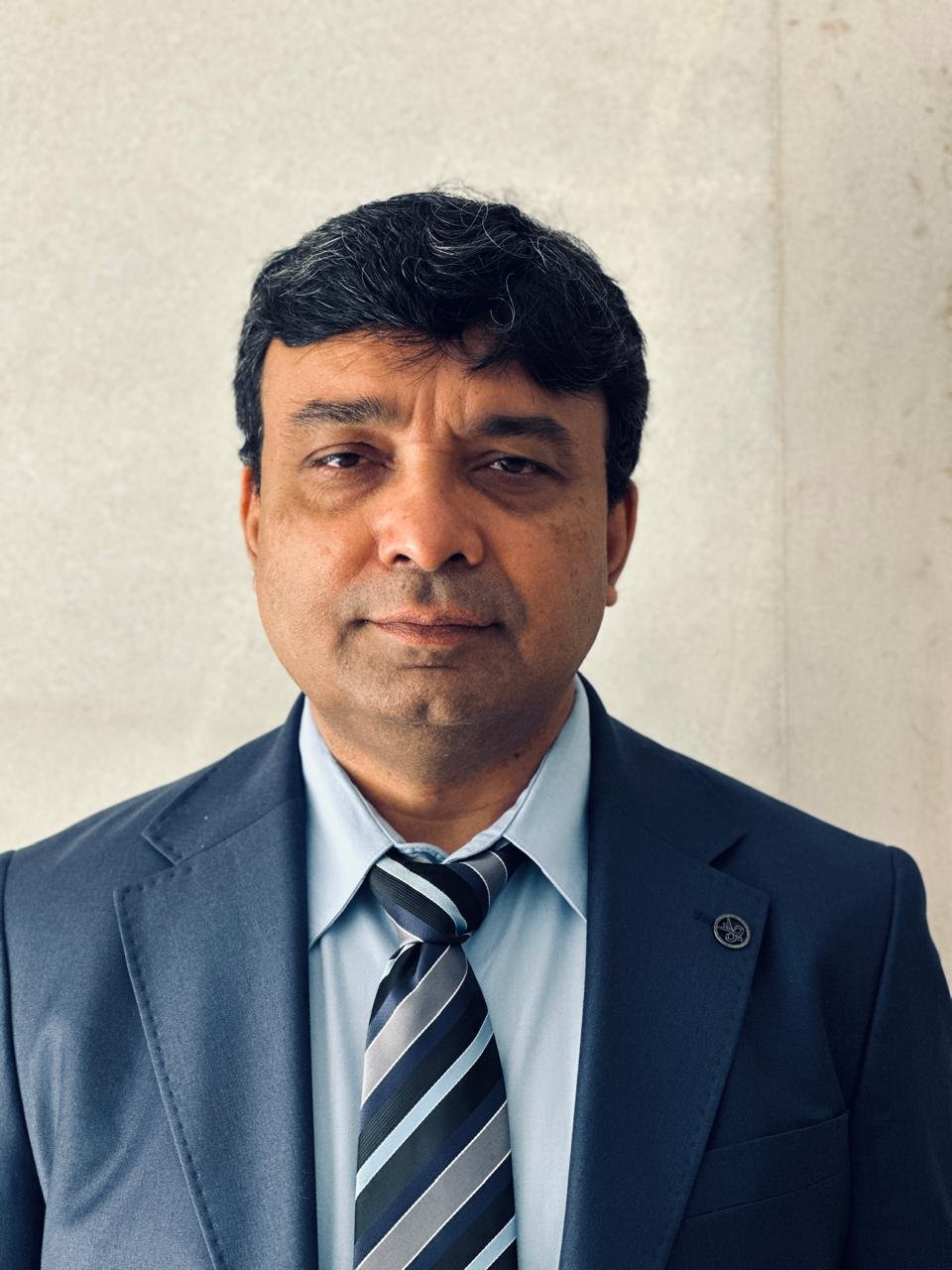
Dr. Akbarul Haque
Cardiologist
Qualifications
MBBS (Seth GSMC & KEM Hospital), MD (TNMC & BYL Nair Hospital), DNB Cardiology (National Board of Examinations), MMC Registration No: 90470
Training
Cardiology residency at Fortis Hospital, Mulund; Senior Registrar, Department of Cardiology, JJ Hospital.
Experience
Over two decades in private practice and 20,000+ cardiac procedures.
Expertise
Primary and complex angioplasty via the radial route, pacemakers, ICD, device closures, balloon mitral valvotomy (BMV) and TAVR.
Recognition
Fellow of the European Society of Cardiology; cases selected for presentation at EuroPCR Paris, CTO Plus New York and Asia PCR Singapore.
Monday to Saturday: 8:00 AM – 9:00 PM
Sunday: Closed
From advanced cardiac diagnostics to comprehensive blood testing and sonography, we provide all the care you need under one roof.
I had a great experience with the cardiology consultation. The doctor explained my condition clearly and the staff was very supportive
Rajesh Sharma
I visited for a blood checkup and the service was very quick and organized. The reports were delivered on time and the staff was very polite.
Priya Verma
The doctors and staff are very cooperative and knowledgeable. My entire checkup process was comfortable and the reports were delivered on time.
Amit Kulkarni
I truly appreciate the professionalism of the team. From appointment booking to getting the reports, everything was smooth and hassle-free.
Neha Patel
Your heart works around the clock for you. Give it one hour of your time. Book a visit and get clear answers, not guesses.
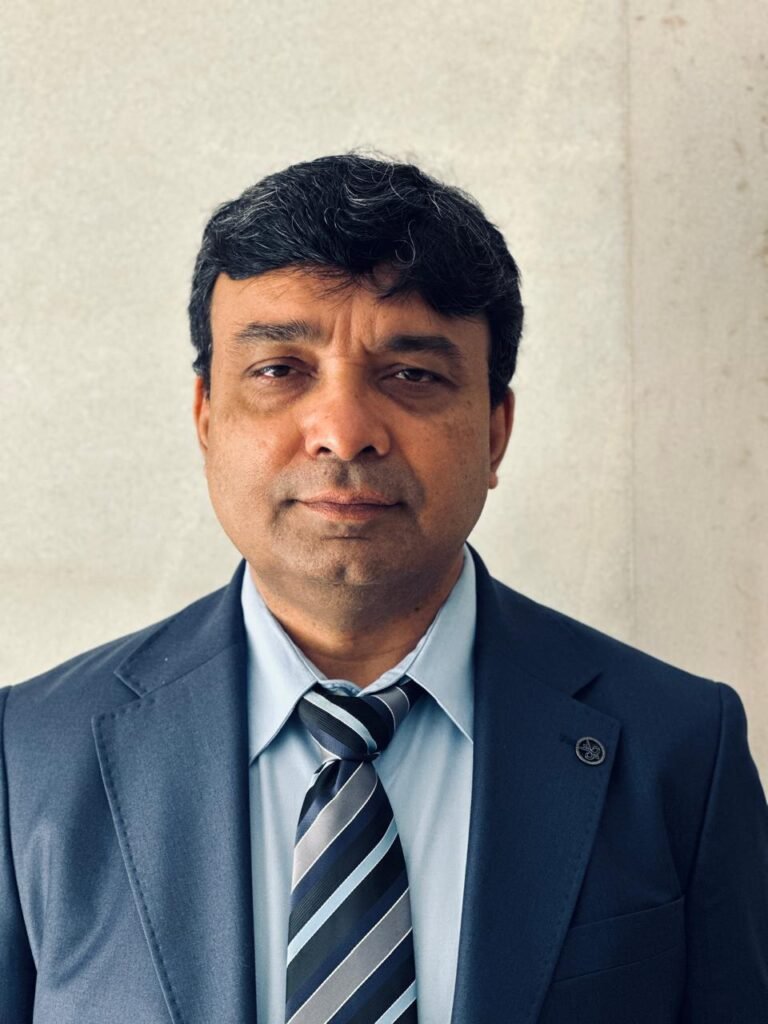
Medically reviewed by Dr. Akbarul Haque, Consultant Cardiologist (MBBS, MD), on 11th October 2026.
This page shares general information and does not replace a doctor’s advice.
See one when you have chest discomfort, breathlessness, palpitations or dizziness. Also go if you are over 40 or have diabetes, high blood pressure or a family history of heart disease.
A TMT is generally safe because it is done under medical supervision, and we stop the test if anything looks wrong. It is not suitable for everyone, for example soon after a heart attack or with unstable chest pain, so your doctor decides first. Tell us about knee pain, asthma or any medicine you take before you start.
No. You can eat normally before both tests. A light meal is best before a TMT.
You wear the device for 24 to 48 hours, as advised by your cardiologist, and return it to us. We analyse the recording and your cardiologist explains it.
An ECG records the heart's electrical activity and shows rhythm problems. A 2D Echo is an ultrasound that shows the heart's chambers, valves and pumping strength. They answer different questions, and many patients need both.
Angiography is a test that shows blockages in your heart arteries. Angioplasty is a treatment that opens them. Many people need only the test.
Appointments save you waiting time. Call or WhatsApp us to book a slot that suits you.
Yes. A cardiologist can assess your blood pressure readings alongside other cardiovascular risk factors and determine whether lifestyle changes, monitoring or treatment may be needed.
A family history of early heart disease can increase your cardiovascular risk. A cardiologist can assess your personal risk profile and recommend appropriate preventive measures and screening.